Fashion photography is far more than beautiful images: it translates concepts, values, and narratives that position a brand in the collective imagination. When we talk about a fashion editorial, we’re referring to a creative process that blends strategy, aesthetics, and visual storytelling. Every detail is carefully planned to build an experience that goes beyond clothing — it’s about creating desire, identity, and relevance.
Every editorial begins with a central idea. This narrative may be inspired by cultural trends, artistic movements, or even the brand’s own history. The concept is the guiding thread that shapes all decisions: location, styling, lighting, and even the final image editing. Without a clear narrative, the editorial risks becoming just a sequence of pretty pictures without impact.
A fashion editorial is the result of collaboration among different professionals. The photographer, stylist, art director, and models work in synergy to bring the concept to life. Here, fashion photography plays a central role: it doesn’t just record, it interprets. The photographer’s eye can transform clothes into symbols and gestures into messages.
Styling goes far beyond combining pieces. It translates the concept into visual choices that reinforce the narrative. Art direction ensures that all elements — setting, color palette, props — are aligned. This is the moment when the editorial gains coherence and aesthetic strength.
The audience often doesn’t notice the backstage work. Choosing the location, negotiating schedules, preparing technical equipment, and even weather forecasts can define the success of an editorial. Logistics is just as important as creativity, ensuring smooth execution without setbacks.
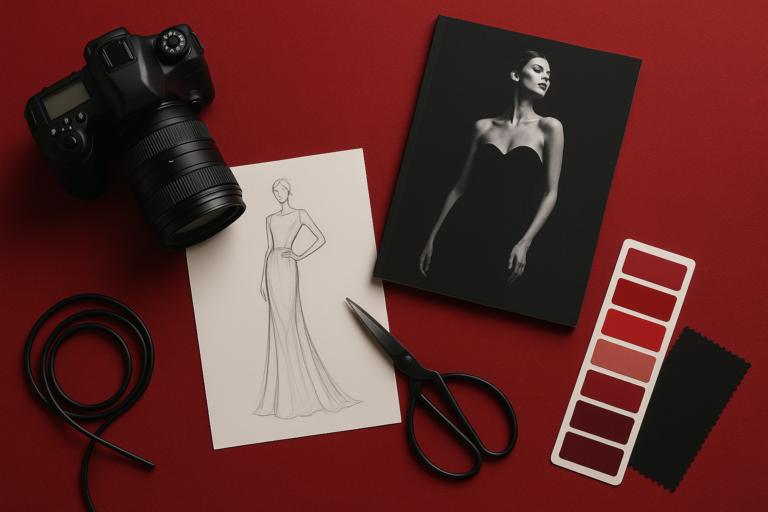
An editorial is not only an artistic piece but also a strategic tool. It helps position the brand, reinforce values, and create emotional connections with the audience. As we highlighted in “Why Fashion Photography is Essential for Building a Strong Brand”, editorials act as bridges between aesthetics and identity.
Editing is the moment to polish the result. Adjustments in color, contrast, and composition are not just technical details but choices that reinforce the narrative. A well-executed edit can turn a good photo into a memorable image.
More than a photoshoot, the editorial is a communication piece. It can be published in magazines, digital campaigns, or social media, always aiming to generate impact and engagement. In this sense, the editorial becomes a powerful tool to create visual consistency and strengthen brand positioning.
Today, editorials often explore diversity, sustainability, and authenticity. Brands are increasingly aware that audiences seek real and inclusive narratives. Fashion photography, in this context, becomes a vehicle for cultural transformation.
Fashion editorials also serve as spaces for experimentation. Photographers and stylists test new visual languages, explore techniques, and challenge standards. Often, what begins in an editorial evolves into global trends, showing how dynamic and relevant the process is for fashion’s future.
As Adobe explains, “The essence of editorial fashion photography is to showcase clothing in a way that tells a story and captures the soul of a brand.” This reinforces the idea that editorials are not just about clothes but about storytelling. For a deeper dive, see “How the Fashion Editorial Creation Process Works for Brands”, which details how this process directly applies to branding.
If you want practical insights, check out “Fashion Photography Tips to Highlight Clothing Details and Elevate Your Brand”, which offers actionable advice for commercial campaigns. Additionally, “Fashion E-commerce Photography: Images That Convert and Strengthen Branding” explores how editorials influence online sales. And for those seeking the right professional, “How to Hire the Ideal Fashion Photographer for Your Brand” is an essential read.
Finally, we must recognize that fashion editorials are cultural manifestations. They dialogue with art, cinema, music, and society. That’s why magazines like Vogue remain global references: they transform editorials into narratives that shape collective imagination.
The process of creating a fashion editorial is complex yet fascinating. It unites strategy, aesthetics, and emotion in a visual narrative capable of transforming brands and inspiring people. When well executed, an editorial doesn’t just showcase clothes — it creates universes. And it’s in this storytelling power that its true strength lies.
*fashion *photography *editorials *campaigns *branding *flyhigh *clycz