Fashion photography is one of the most powerful tools to strengthen branding and consolidate brand positioning. When we think about visual campaigns, we’re not just showing clothes — we’re communicating values, lifestyle, and competitive advantages. This is where photography becomes a direct link between aesthetics and strategy.
Fashion photography creates visual narratives that reinforce brand identity. Every detail — from lighting to framing — influences how the audience perceives a piece. A garment can look sophisticated or casual depending on how it’s photographed. This transformative power makes photography indispensable for brand positioning.
– Visual identity: translates brand values into consistent imagery.
– Photographic style: minimalist, editorial, or conceptual — each choice communicates something unique.
– Clothing details: stitching, textures, and finishes highlight quality and exclusivity.
Highlighting clothing details reinforces attributes that often go unnoticed in a digital storefront. Fashion photography should emphasize:
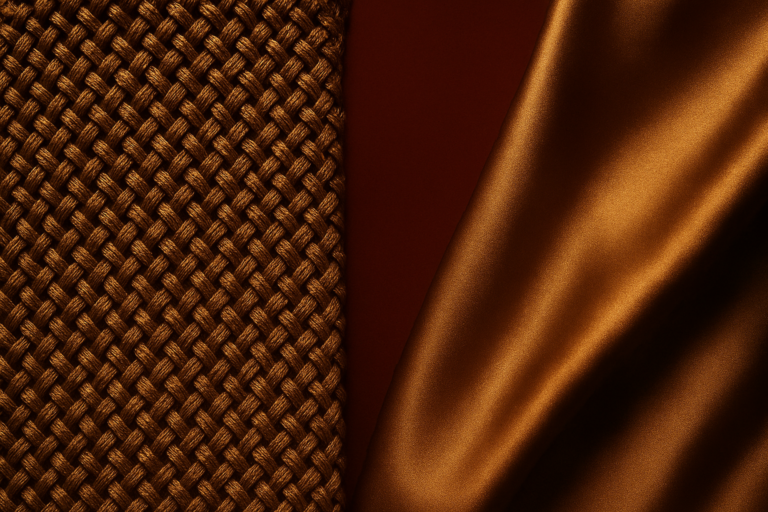
– Textures: fabrics like linen or silk come alive with side lighting.
– Finishes: buttons, embroidery, and seams convey sophistication.
– Fit and drape: the way a garment moves on the body communicates comfort and style.
This attention is not only aesthetic but strategic: consumers associate brands that showcase details with superior quality and transparency. That’s why many companies already understand that photography is essential to building a strong brand, as explored in “Why fashion photography is essential to building a strong brand”.
Brand positioning depends on how we choose to tell visual stories. Editorial photography can convey exclusivity, while lifestyle photography brings the brand closer to the consumer’s everyday life. The secret lies in aligning photographic style with the values we want to reinforce.
– Premium brands: use dramatic lighting and focus on details.
– Accessible brands: prefer spontaneous, natural images to reinforce closeness.
– Sustainable brands: highlight natural textures and organic settings to emphasize purpose.
This alignment is so relevant that many brands already use editorials as a strategic tool, as shown in “How the fashion editorial creation process works for brands”.
One underexplored technique is the use of macro photography in fashion campaigns. Common in product advertising, it can reveal intricate clothing details — fibers, textures, and micro-finishes. This not only differentiates the brand but also creates a perception of exclusivity.
Another innovative resource is 360° photography, allowing consumers to explore garments from every angle. This approach increases confidence in online shopping and strengthens digital branding.
Additionally, augmented reality is gaining ground in fashion campaigns. Imagine a customer pointing their phone at a garment and seeing magnified details in real time. This technology not only highlights details but also creates an immersive experience that reinforces the brand’s innovative positioning.
Today’s consumers are more demanding and seek transparency. Showing clothing details in photography is a way to meet this demand. Recent studies indicate that consumers who can visualize textures and finishes are 31% more confident when shopping online. This means fewer returns and greater loyalty.
Another key factor is emotional impact. Photos that highlight details convey care and attention — attributes consumers associate with trustworthy brands. This emotional bond is one of the pillars of modern branding.
Storific Blog (2026): “In today’s e-commerce world, having great product photos is more important than ever. These images are often the first thing potential customers see, and they can make or break a sale. High-quality photography not only helps to attract customers but also builds trust and encourages them to make a purchase.”
How does fashion photography directly impact branding?
It creates visual consistency and reinforces brand values, making the brand memorable.
Which techniques best highlight clothing details?
Macro photography, side lighting, and motion photography are the most effective.
Can photography change brand positioning?
Yes, images can reposition a brand as premium, accessible, or sustainable.
Is it worth investing in 360° fashion photography?
Absolutely — especially in e-commerce, as it increases confidence and reduces returns.
How can photography reduce returns in e-commerce?
By showing details and true fit, consumers have more realistic expectations of the product.
We understand that fashion photography is not just about aesthetics — it’s a powerful tool for branding and brand positioning. By highlighting clothing details, we communicate quality, authenticity, and purpose. If you want to elevate your brand, invest in images that tell stories and convey values.
👉 Now is the time to act: plan your next campaign with a focus on details and watch your brand reach new levels of recognition.
*fashion *photography *editorials *campaigns *branding *flyhigh *clycz