Visual storytelling in fashion has moved beyond being a trend to become a central branding strategy. When we think about how a brand positions itself, it’s not enough to talk about logos or slogans: we need to understand how it builds a consistent visual narrative that expresses values, lifestyle, and purpose. In this context, fashion photography is more than aesthetics — it’s a tool for brand positioning and differentiation in a saturated market.
Fashion photography is the starting point for creating a solid visual identity. It’s not just about showing clothes, but about conveying emotions, atmospheres, and lifestyles. When a campaign is designed with visual storytelling, each image becomes part of a larger narrative.
As Forbes highlights, when it comes to the importance of storytelling in marketing, “it goes beyond promoting products or services; it’s about creating a connection that fosters trust and loyalty. In an age where consumers are bombarded with information, a compelling story can cut through the noise and leave a lasting impression.”
– Consistent branding: Photography reinforces values and messages already embedded in the brand’s DNA.
– Brand positioning: The way an image is crafted defines whether the brand is perceived as aspirational, accessible, disruptive, or classic.
– Visual narrative: Every detail — lighting, setting, expression — contributes to telling a story that connects with the audience.
👉 A practical example: campaigns that explore seasonal photo shoots don’t just present collections; they create an atmosphere that connects fashion to the cultural moment. This theme is explored in our article “How your brand can benefit from seasonal shoots”.
Branding is not only about recognition, but about creating an experience. Visual storytelling expands this experience by turning images into narratives that spark identification.
– Visual narrative: Stories that translate values and purpose.
– Photographic style: Minimalist, dramatic, documentary — each choice communicates something about the brand.
– Visual codes: Color palettes, framing, and textures that reinforce consistency.
– Authenticity: Today’s audience values brands that tell real stories without excessive artifice.
For deeper insights, check out our fashion campaign checklist.
Brand positioning is defined not only by the product, but by how it’s communicated. Visual storytelling creates differentiation by showing not just what the brand sells, but what it represents.
– Aspirational brands: Use fashion photography with luxurious settings and narratives of exclusivity.
– Accessible brands: Rely on everyday imagery, with storytelling close to the consumer’s reality.
– Disruptive brands: Craft provocative visual narratives that challenge aesthetic and cultural norms.
Consumers don’t just buy products — they buy stories. Visual storytelling builds emotional bonds that turn followers into brand advocates.
– Brand personification: Creating characters or archetypes that embody the desired lifestyle.
– Immersive campaigns: Using fashion photography in editorials that transport audiences into narrative universes.
– Cross-platform coherence: Ensuring the visual narrative is consistent across social media, e-commerce, and physical campaigns.
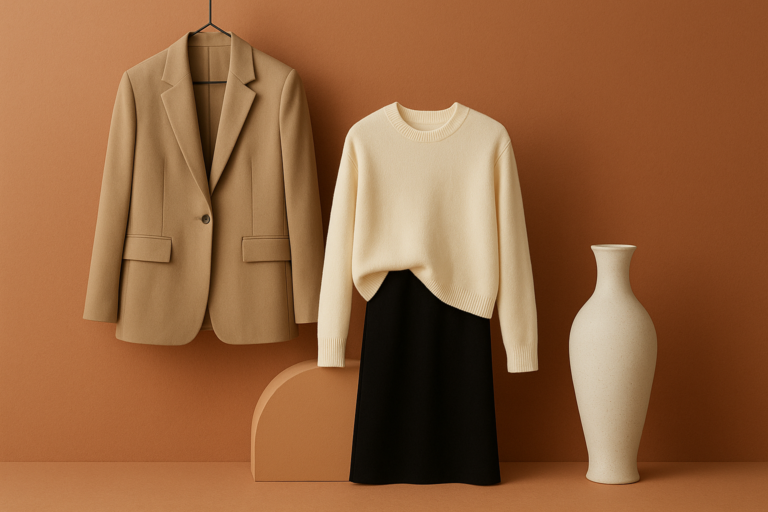
The future of visual storytelling in fashion will be shaped by the fusion of technology and emotion. While fashion photography and branding remain pillars, the next step is to explore how new tools expand narratives and create immersive experiences.
Brands are already using augmented reality in campaigns, allowing consumers to visualize pieces in virtual environments or try on clothes from home. This doesn’t replace fashion photography but complements it, adding new layers to the visual narrative.
AI enables hyper-personalized visual narratives. Imagine campaigns that adapt imagery and storytelling to each consumer profile. This means brand positioning can be dynamically adjusted without losing consistency.
Future campaigns will span multiple platforms. A campaign may start on social media, gain traction in digital editorials, and expand into physical store experiences. This transmedia storytelling reinforces branding and creates a continuous consumer journey.
Sustainability will become a key part of visual storytelling. Brands that communicate environmental responsibility through authentic imagery and conscious campaigns strengthen their cultural relevance.
Visual storytelling will also be shaped by active participation from digital communities. Consumers won’t just receive narratives — they’ll co-create them, sharing experiences and content that reinforce brand positioning.
In short, the future of visual storytelling in fashion will be not only technological but deeply human. Fashion photography will remain the foundation, integrated with new languages that expand emotional and cultural connections between brands and people.
If you want your brand to stand out with a powerful visual narrative, start with fashion photography and build consistent branding. Explore our content to learn how to apply visual storytelling in your next campaign.
Ready to transform your communication? Create your brand narrative with us and make sure your brand is remembered.
*fashion *photography *editorials *campaigns *branding *flyhigh *clycz